
For decades, investing in yourself followed a familiar formula. People pursued higher education to advance their careers, exercised to improve their health, and invested in personal development to strengthen their skills. As conversations around wellness evolved, mental health, emotional resilience, and work-life balance also became essential parts of personal growth. According to Dr. James Co, another form of self-investment is quietly joining that conversation: Confidence.
After years of treating patients and training aesthetic practitioners across Southeast Asia and Europe, Co has witnessed this shift from an unexpected place: the consultation room.
Drawing from years of patient consultations, Co describes this emerging mindset as the Confidence Economy, a framework that explains why confidence has become one of today’s most valuable forms of self-investment.
“The phrase isn’t about beauty or aesthetics,” he explained. “It’s about understanding why people invest in themselves. At the heart of many of those decisions is the desire to become more confident, not because they want to become someone else, but because they want to become more comfortable being themselves.”
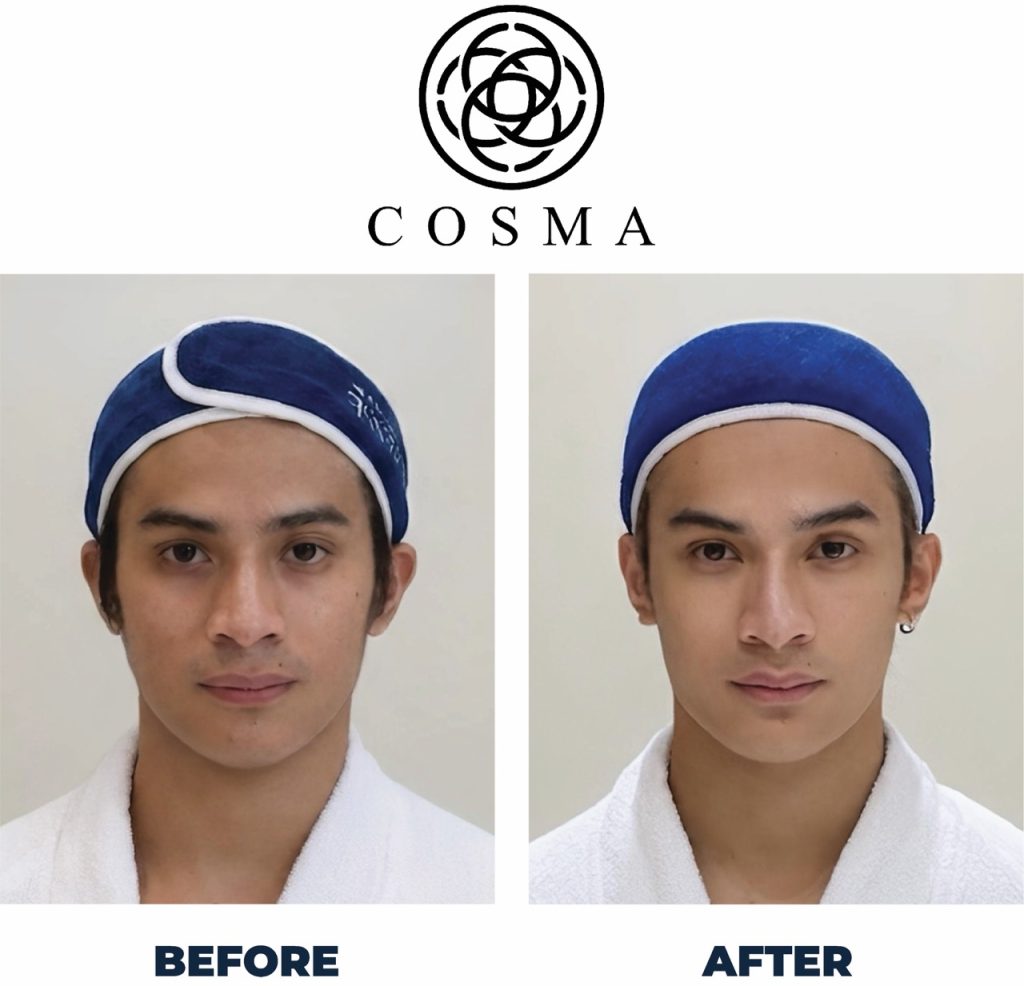
Modern life has made confidence more visible than ever. More than a personality trait, confidence has become a life skill that influences careers, relationships, and everyday interactions.
The Psychology Behind Confidence
Decades of psychological research support the relationship between self-perception and confidence. Psychologist Daryl Bem’s Self-Perception Theorysuggests people develop beliefs about themselves through their own actions and experiences, while later studies on Enclothed Cognition found that self-perception influences behaviour and psychological well-being. Research examining aesthetic medicine has likewise reported improvements in patient-reported self-esteem, body image, and quality of life following appropriately selected treatments, while emphasizing the importance of ethical practice, realistic expectations, and careful patient selection.
For Co, these findings reinforce what years of listening to patients have already taught him.
“The greatest compliment I receive isn’t when someone tells me they look younger,” Co said. “One of the moments that stayed with me involved a patient who returned a few months after her facial harmony treatment,” Co said. “She told me she finally felt confident enough to audition as the lead singer of a band, and she even came back to the clinic and sang for us. That wasn’t about the treatment itself. It was about removing something that had been holding her back. Moments like that remind me the conversation has never been only about appearance.”
That philosophy has defined Co’s approach throughout his career and earned him recognition as the Architect of Aesthetic Confidence. His approach to aesthetic medicine has also earned industry recognition, most recently at the Merz Aesthetics Tala Awards, where he received two awards at the recently held ceremony.
Rather than focusing solely on technical outcomes, he advocates consultation-led aesthetic medicine that begins with understanding a patient’s goals, lifestyle, and motivations before discussing treatment options. Every recommendation, he believes, should support long-term well-being rather than respond to trends.
For Co, this is where the idea of the Confidence Economy becomes most relevant. It is not limited to aesthetic medicine. Whether people invest through education, therapy, fitness, leadership development, communication training, or aesthetic care, they are often pursuing the same outcome: becoming more confident and more willing to engage fully with life.
The Future of the Confidence Economy
As more Filipinos continue investing in their personal growth, conversations around self-investment are also changing. Success is no longer measured only by educational achievements, professional milestones, or financial security. Increasingly, it is also measured by how confidently people engage with the opportunities, relationships, and experiences that give life meaning.
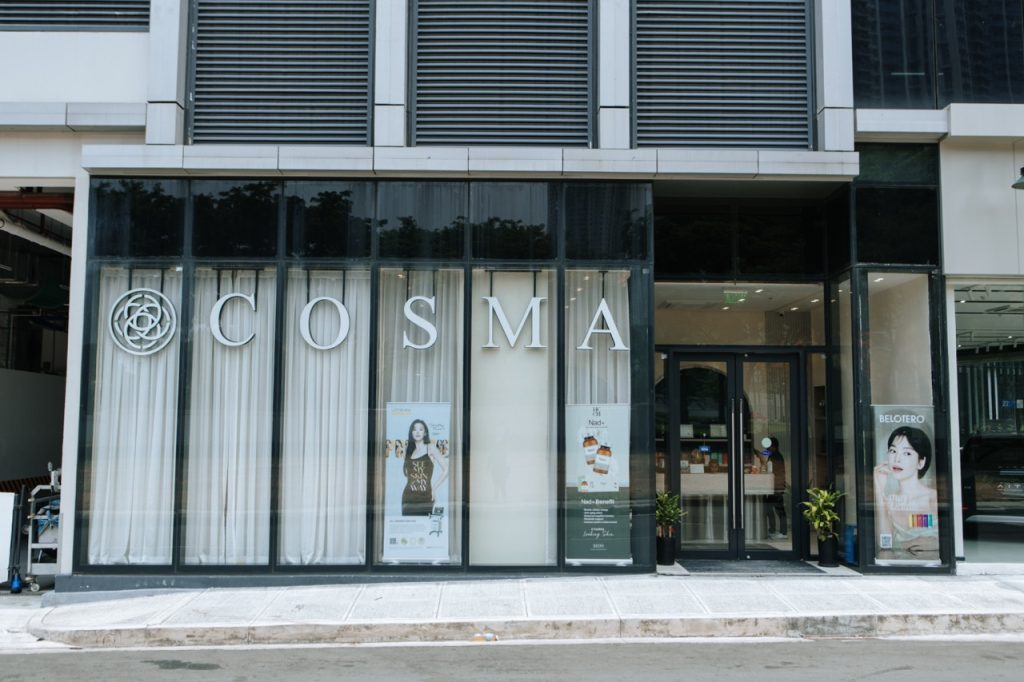
For Co, that shift represents the real significance of the Confidence Economy. It reframes confidence not as a luxury or a personality trait, but as an essential part of overall well-being and personal growth. It is also the philosophy that guides every consultation at Cosma Institute, where understanding the person always comes before discussing the procedure.
“Looking better was never the goal,” Co said. “Feeling better was.” Because in the end, the greatest investment people make is not in changing who they are. It is in becoming comfortable enough with themselves to fully participate in the life they want to live.
#DrJamesCo #ConfidenceEconomy #CosmaInstitute #rubyspreciousmoments
References
- Bem, D. J. (1972). Self-Perception Theory. In Advances in Experimental Social Psychology (Vol. 6). https://doi.org/10.1016/S0065-2601(08)60024-6
- Adam, H., & Galinsky, A. D. (2012). Enclothed Cognition. Journal of Experimental Social Psychology, 48(4), 918-925. https://doi.org/10.1016/j.jesp.2012.02.008
- Hoffman, L., & Fabi, S. G. (2022). The impact of minimally invasive aesthetic procedures on satisfaction with appearance and psychosocial well-being. Aesthetic Surgery Journal. https://doi.org/10.1093/asj/sjac098