The Cultural Center of the Philippines (CCP), the country’s premier institution for arts and culture, announces the appointment of art historian, critic, and curator Carlos Quijon, Jr. as the new Chief Curator of its CCP Contemporary Art Museum.
Carlos Quijon, Jr. the new Chief Curator of CCP Contemporary Art Museum.
Quijon’s vision will shape the way CCP showcases and exhibits its extensive contemporary art collection. This move comes at a crucial time when the CCP is set to reopen its doors to the public by the first quarter of 2027, after going through meticulous conservation and rehabilitation efforts that began in 2021, following a series of inspections in 2015 and 2018.
“As we prepare for the reopening of the CCP next year, we are not only boosting our facilities that will host our audiences and the public, but also our lineup of visionaries who will curate and conceptualize art exhibitions and performances that we can truly be proud of. We’re glad to welcome Carlos into our artistic family. We know that we will learn from his global experiences, as much as he will also be inspired by our contemporary art collection,” said CCP President Kaye C. Tinga.
A Filipino talent with a global portfolio, Quijon joins CCP after a successful tenure at the Museum of Modern Art in New York as the inaugural C-MAP Fellow for Southeast and East Asia. He has notably curated the Philippine Pavilion at the 60th Venice Biennale in 2024, where he presented the work of artist Mark Salvatus. He has also curated exhibitions in São Paulo, New York, Seoul, Busan, Singapore, Hong Kong, Kuala Lumpur, and Manila, and participated in residencies and fellowships in museums in Asia, Europe, and the Americas.
Quijon brings in an extensive knowledge of Southeast Asia’s modern and contemporary art, transregional art histories, curatorial practice and scholarship, and a keen familiarity with regional artistic infrastructures and ecosystems. “I’m excited to join the CCP as their new chief curator as it enters its new era. As a practitioner, I believe in CCP’s role in advocating for and enriching the artistic sensibilities of our Filipino artists and promoting them to our local public and our international audiences, as well. The goal is to strengthen the place of the CCP in national and regional conversations around contemporary art,” Quijon said.
CCP is home to one of the country’s largest contemporary art collections, which it has gathered from the 1960s to the 1980s. There are over 2,000 artworks in its CCP 21AM Visual Arts Collection alone. For more information about CCP and its Visual Arts and Museum Division, visit culturalcenter.gov.ph, facebook.com/ccpvamd, or instagram.com/ccpvamd.
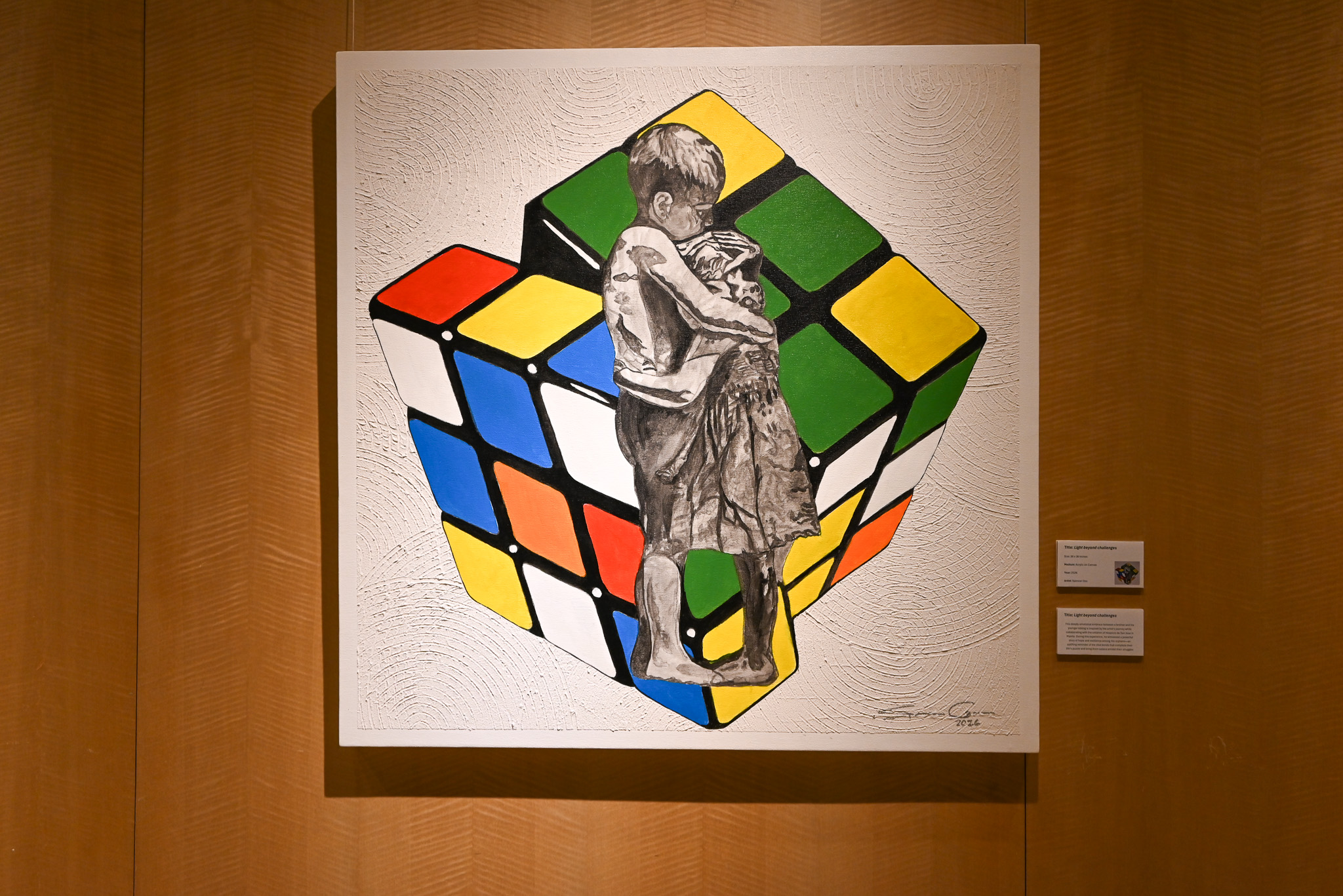
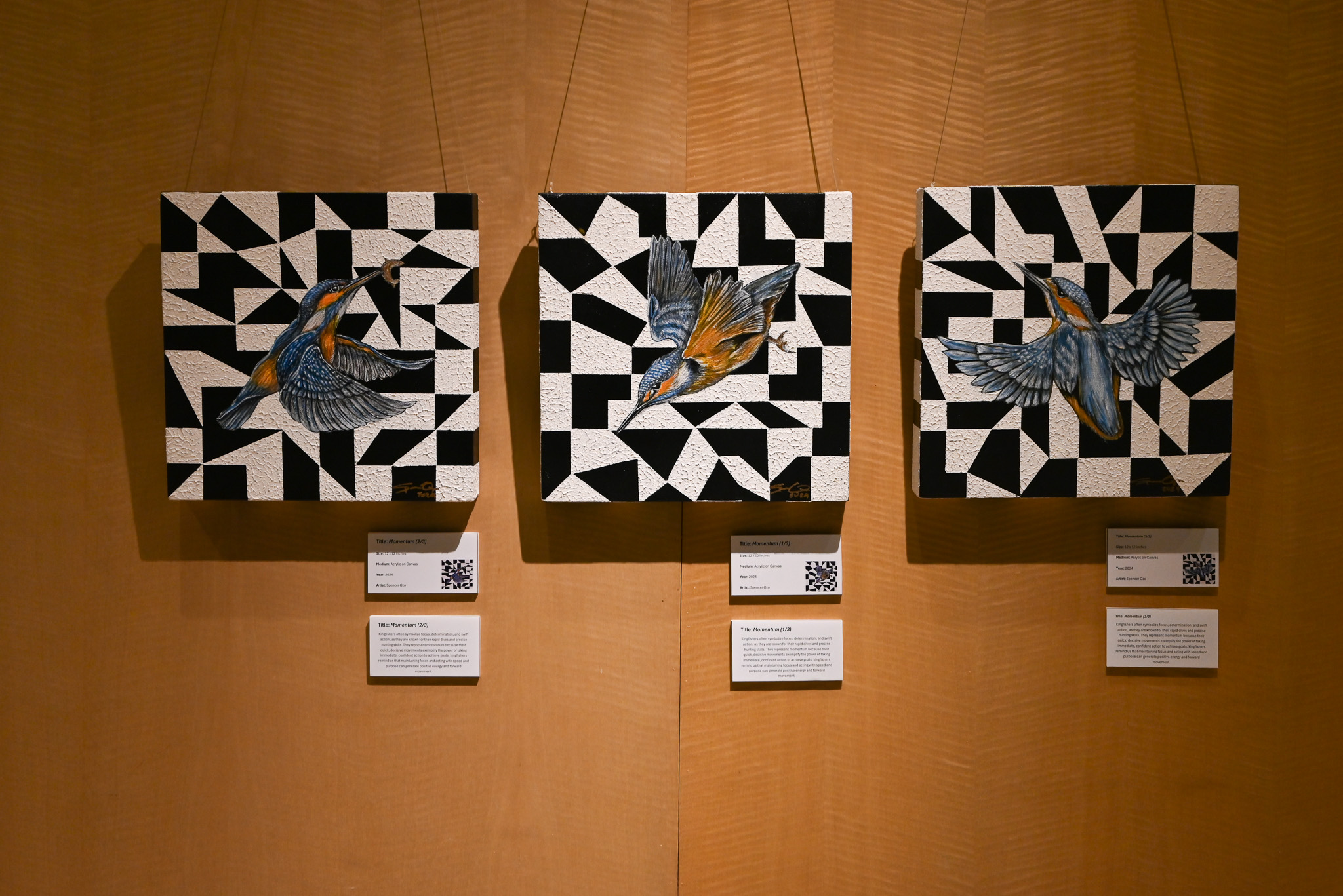
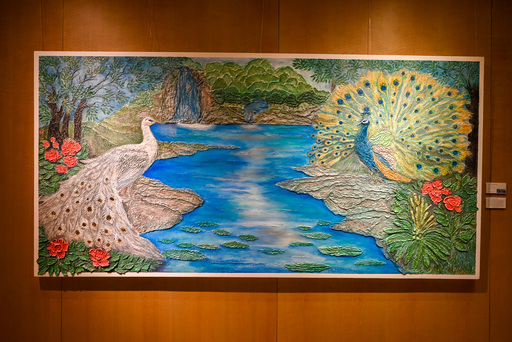
Conrad Manila proudly presents the 42nd edition of its signature Of Art and Wine series with Intimate Reflections by Spencer Ozo, currently on exhibit at Gallery C until 26 September 2026. Curated by resident curator Nestor Jardin, the 25-piece exhibition offers a deeply personal exploration of vulnerability, resilience, and the evolving journey of self-understanding.
“Through Intimate Reflections, our very own Spencer Ozo invites viewers to reflect on their own journeys of growth and self-discovery,” said Rupert Hallam, general manager of Conrad Manila. “As a valued member of our team, Spencer embodies our commitment to nurturing an environment where team members are empowered to pursue their passions, unlock their potential, and express their creativity both within and beyond the workplace.”
Spencer Ozo has been a valued member of the Conrad Manila team since 2017. While serving as the hotel’s Front Office Manager, ensuring seamless stays and inspiring experiences for guests, he has also established himself as a distinguished artist. His artistic journey gained momentum with his first exhibition at Gallery C in 2022, marking the beginning of a growing presence in the local art scene.
In Intimate Reflections, Ozo creates a compelling dialogue between abstract and figurative forms, revealing the intersection between inner consciousness and external experience. His abstract works harness color, texture, and movement to express emotions beyond words, while his figurative pieces ground these sentiments in lived realities and human connections. Together, the collection presents a nuanced visual narrative of personal transformation and self-awareness.
“Art has been instrumental in shaping my understanding of who I am,” shared featured artist Spencer Ozo. “It allows me to navigate personal histories, cultural influences, and emotional truths with honesty and intention. The interplay of light and color throughout my works reflects my belief that clarity and hope can emerge even amidst uncertainty. Through this collection, I hope to encourage reflection and meaningful conversations about identity, growth, and the shared human experience,” he added.
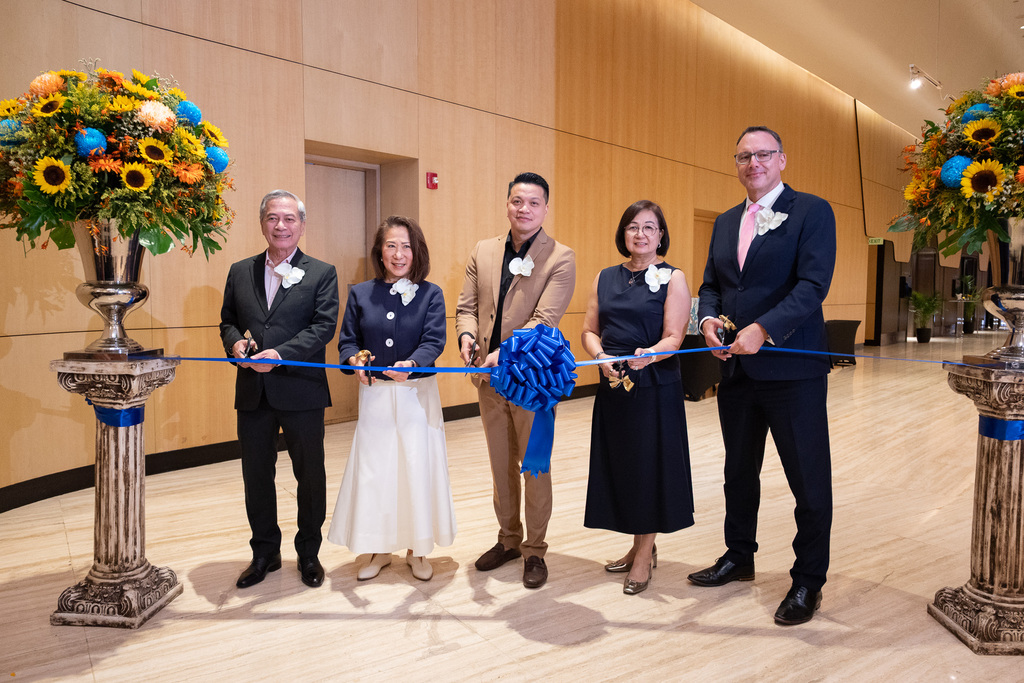
The exhibition opened in the presence of esteemed guests, including Elizabeth Sy, President of SM Hotels and Conventions Corporation; Peggy Angeles, Executive Vice President of SM Hotels and Conventions Corporation; Rupert Hallam, General Manager of Conrad Manila; and featured artist Spencer Ozo.
All artworks on exhibit at Gallery C are available for acquisition. For inquiries and more information, guests and art collectors may contact +632 8833 9999 or email Conrad.Manila.info@conradhotels.com.
About The Artist
Spencer Ozo
Spencer Ozo is a contemporary artist whose practice moves fluidly between abstraction and figuration. Working across portraiture, geometric compositions, and floral imagery, his paintings reflect a deep engagement with observation, emotion, and the complexity of everyday experience.
Ozo approaches art as an evolving visual diary, allowing each work to respond to personal thoughts, shifting moods, and lived moments. Rather than limiting himself to a single subject or style, he embraces variation as a natural extension of the human condition. His works invite viewers to look closely and find resonance within their own inner landscapes. Born and raised in Baguio City, Spencer’s art is greatly influenced by the varied nature and culture of the region.
For its 22nd edition, the Cinemalaya Philippine Independent Film Festival opens and closes with two internationally acclaimed independent films that reflect the complexity of Filipino experience: the opening film, Enjoy Your Stay, explores a mother’s enduring love for her daughter, while the closing film, Filipiñana, follows a teenage girl whose job at a country club leads to unexpected discoveries.
Opening Film
Directed by Dominik Locher and Honee Alipio and co-produced by Close Up Films and JBA Production, Enjoy Your Stay follows Luz, a Filipina who has spent years working as an undocumented cleaner in Switzerland. Living in the shadows alongside her friend Aileen and other Filipina migrant workers, she constantly faces the threat of being discovered and deported.
Enjoy Your Stay.
When she sees her ex-husband appear on a Filipino reality TV show with their six-year-old daughter, Luz’s life is shaken. In desperation to keep her child after years of working abroad, she promises on live television to return home in time for her daughter’s birthday.
Looking at her savings and her ballooning debts, will she be able to secure her daughter’s future? Racing against time, Luz is forced to find ways to earn money even if it means betraying her community and crossing her own moral boundaries.
Actress Mercedes Cabral headlines Enjoy Your Stay, alongside acclaimed Filipino actresses Anna Luna, Hasmine Killip, Irma Adlawan, Donna Cariaga, and Madeleine Nicolas.
Enjoy Your Stay had its world premiere in the Panorama section of the 76th Berlin International Film Festival in Germany on February 14, 2026.
The opening film will be screened free to the public on August 6 (Thursday), at 7:30 p.m. at Red Carpet Cinemas 1 and 2, Shangri-La Plaza.
Closing Film
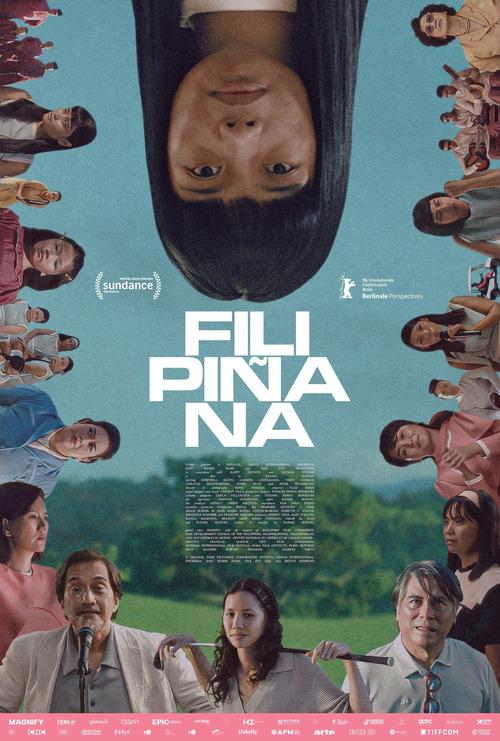
Filipiñana tells the story of Isabel, played by Jorrybell Agoto, a teenage employee at an exclusive country club who finds herself drawn to its president, Dr. Palanca, played by Teroy Guzman. But as Isabel begins to uncover the violence hidden beneath the country club’s pristine facade, she realizes that what started as an innocent infatuation is rooted in a far more sinister shared history.
Filipinana.
Directed by Rafael Manuel, Filipiñana is a feature-length expansion of his acclaimed 2020 short film of the same title. The film had its world premiere in the World Cinema Dramatic Competition at the 2026 Sundance Film Festival in January 2026.
As the closing film of the 22nd Cinemalaya Independent Film Festival, Filipiñana will be screened on August 16, 2026, at 8:30 p.m. at Red Carpet Cinemas 1 and 2, Shangri-La Plaza. Tickets are priced at ₱350 for regular admission and ₱250 for students.
Reel Reflections
Anchored on the theme “Cinemalaya 22: Reel Reflections,” the festival’s opening and closing films embody the spirit of this year’s edition by telling stories that reflect the realities, struggles, and triumphs of women and the communities they belong to.
Tickets to the opening and closing films screening will be given on a first-come, first-served basis two hours before the screening schedule.
For more information, visit the CCP website (www.culturalcenter.gov.ph) and the Cinemalaya website (www.cinemalaya.org). Follow the official CCP and Cinemalaya Facebook pages and other social media accounts on X, Instagram, and TikTok.
The luxury hotel introduces its updated guidelines for new exhibition proposals at its reputable art gallery, inviting a broader spectrum of artists to present exceptional and meaningful works.
Conrad Manila officially announces the opening of submissions for the upcoming editions of Gallery C’s Of Art and Wine series, welcoming proposals from both emerging and established artists. As the hotel approaches the 10th anniversary of its renowned art gallery in early 2027, Gallery C, led by esteemed art connoisseur and curator Nestor Jardin launches newly refined guidelines designed to ensure a culturally enriching experience for guests.
“Conrad Manila envisions Gallery C as a home to Philippine contemporary arts,” shared Rupert Hallam, general manager of Conrad Manila. “Every exhibition mounted in this space reflects our ongoing commitment to championing Filipino artists by showcasing compelling works that resonate with both art enthusiasts and our discerning guests. As we celebrate our tenth anniversary year, we strengthen this advocacy by inviting exhibit proposals that embody artistic excellence while aligning seamlessly with our brand’s identity.”
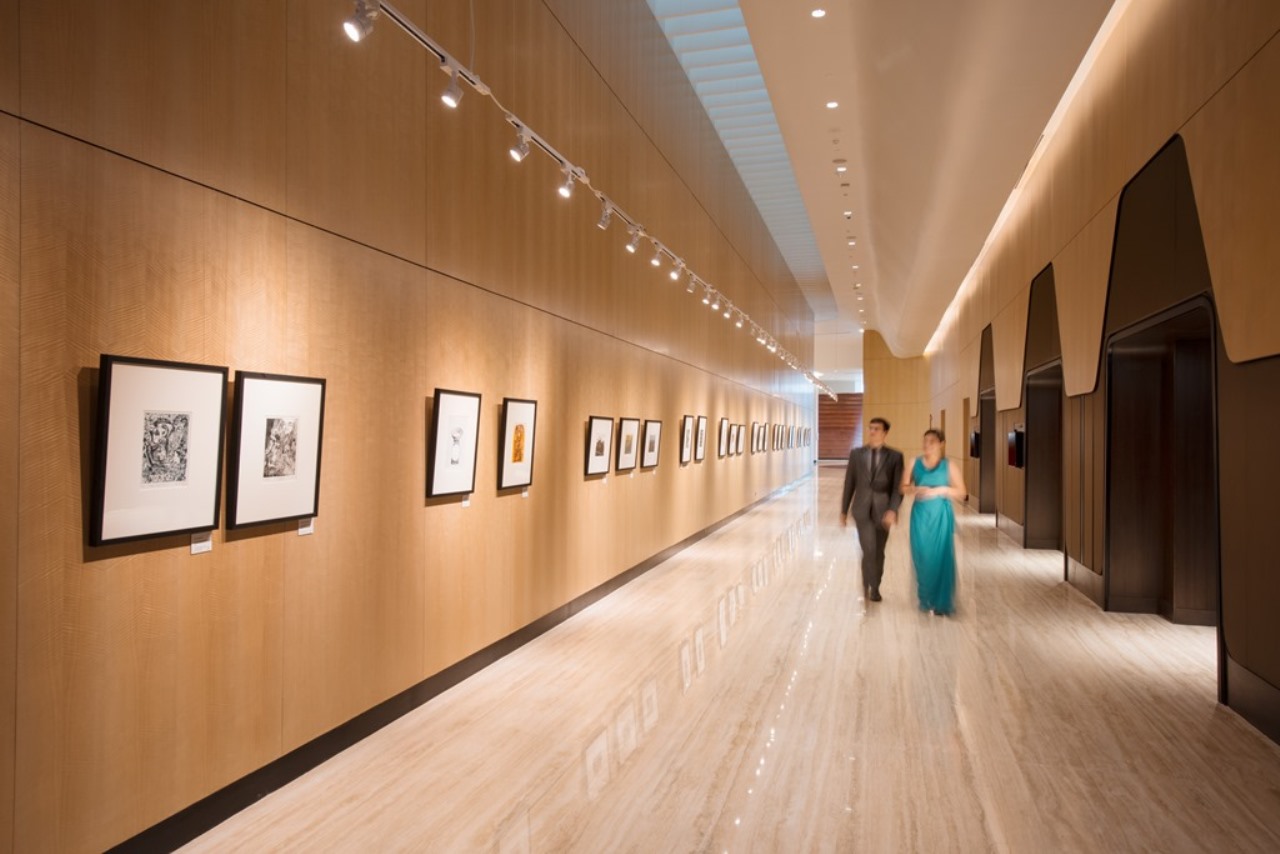
Situated on the third level of Conrad Manila, Gallery C opened in November 2016 with an inaugural exhibition featuring Filipino visual arts grantees of the Asian Cultural Council (ACC), a global nonprofit promoting intercultural artistic exchange. Since then, the gallery has remained a dynamic, non-commercial space dedicated to exceptional Philippine contemporary art, spotlighting rising talents, established practitioners, and master artists.
Gallery C resident curator Nestor Jardin added, “World-class Filipino artistry continues to take center stage at Gallery C. Since our inception, we have mounted 40 solo and group exhibitions, featuring over 200 Filipino visual artists through the much celebrated Of Art and Wine series. With our standardized selection process now in place, we look forward to presenting an even more diverse and captivating roster of exhibitions.”
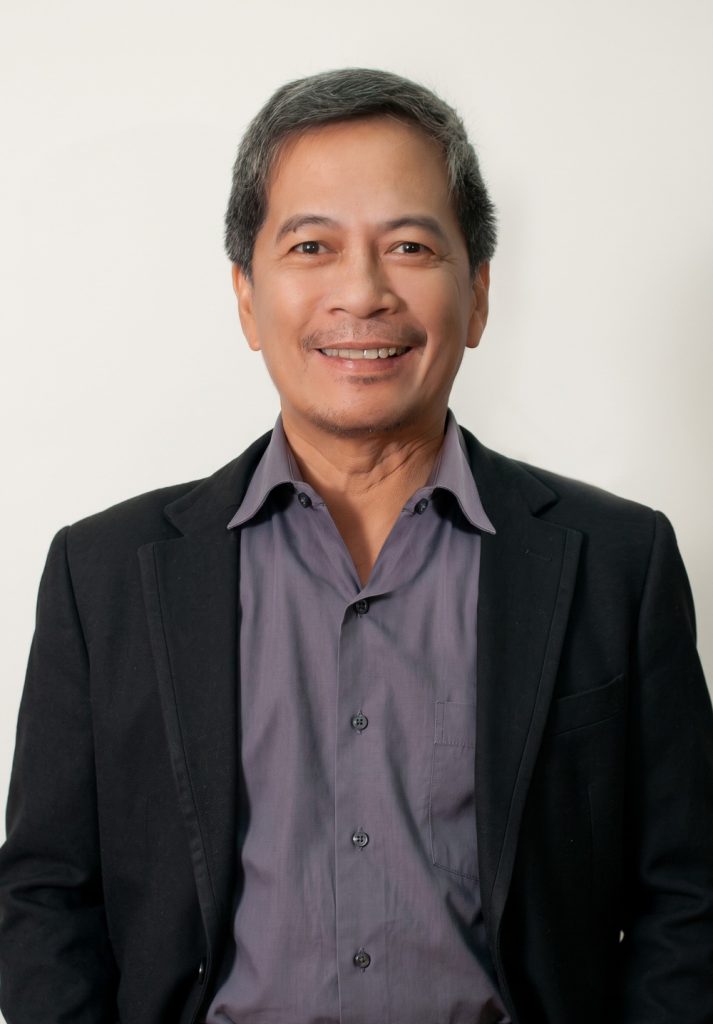
Nestor Jardin, art curator.
Conrad Manila’s commitment to celebrating Philippine art extends beyond Gallery C. The hotel proudly houses 737 artworks created by both established and emerging Filipino visual artists, each piece thoughtfully curated to reflect the country’s rich cultural narratives. For more information on Conrad Manila’s art installations or to submit exhibit proposals, artists and enthusiasts may contact Aly Castro, Gallery C Manager, at aly.castro@gallery-c.org.
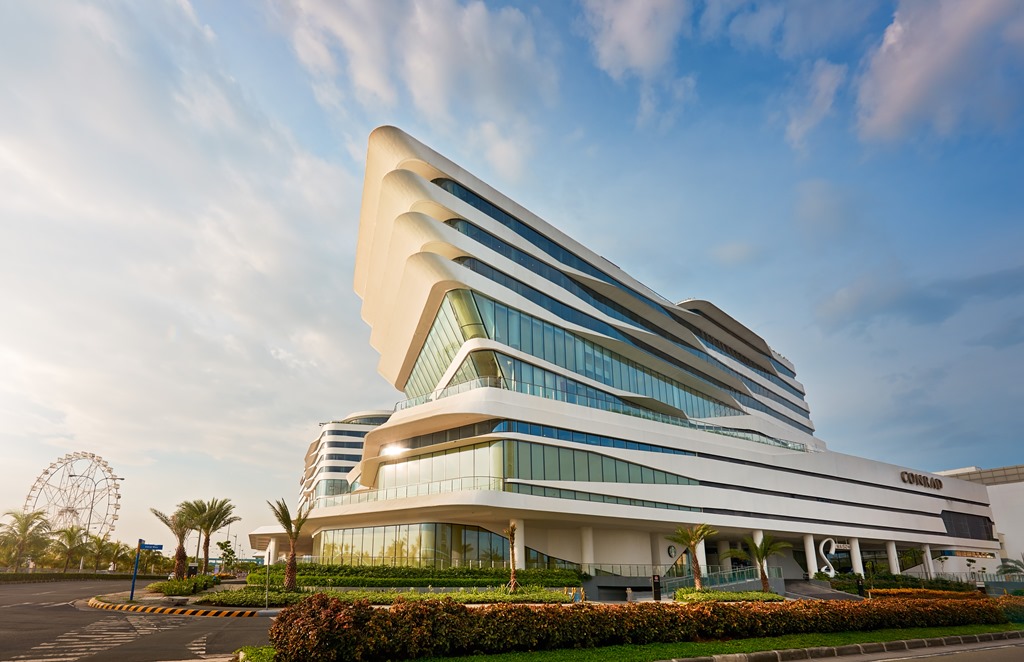
Conrad Manila.
Gallery C Exhibit Proposal Guidelines
Proposals may be submitted by individual artists, curators, art collectives, or organizations with a proven exhibition history
Both emerging and established artists are encouraged to apply
Artworks must be original and available for sale.
Artists must be able to meet the production, marketing, and logistical expectations of the gallery.
Submission Requirements
Proposals are accepted on year-round with reviews conducted quarterly. Proposals must include the following:
Proposal Summary – A concise description of the exhibition concept, objectives, and relevance.
Artist Statement / Curatorial Statement
CV or Résumé of the artist(s) or curator(s) or organization(s)
Work Samples – 5 to 15 digital images or video links with descriptions (title, medium, size, date).
Preferred Dates – Indicate your ideal exhibit timeline, with flexibility if possible.
Technical Requirements – Special installation or equipment needs.
Public Engagement Plan – Optional but encouraged. (e.g. workshops, artist talks, private guided tours, etc.)
Selection Criteria
Proposals will be evaluated based on the following criteria:
Artistic Quality – Originality, cohesion, and professional presentation.
Gallery Fit – Compatibility with the gallery’s objectives and goals.
Commercial Appeal – Marketability and alignment with buyer interests.
Feasibility – Timeliness, installation complexity, and readiness to exhibit.
Professionalism – Clear communication, reliability, and readiness to engage.
Review Process
Proposals are reviewed by Gallery C’s Selection Committee which is composed of the following officers:
Gallery C Resident Curator
Gallery C Manager
Conrad Manila Director for Marketing Communications
Conrad Manila Assistant Manager for Marketing Communications
SM Hotels & Conventions Corp. AVP-Public Relations
Priority shall be given to Filipino artists and organizations.
Applicants will be notified of the results within 6–8 weeks after the review date.
Additional Notes
The gallery may suggest curatorial revisions before final approval.
Selected exhibitors will be asked to sign an exhibition agreement detailing responsibilities, insurance, promotion, and logistics.
Gallery C is not a fully commercial gallery. It provides the venue free of charge along with ancillary support for the organization and promotion of the exhibits.
While the gallery may offer marketing support, artists shall be responsible for the sale of the artworks.
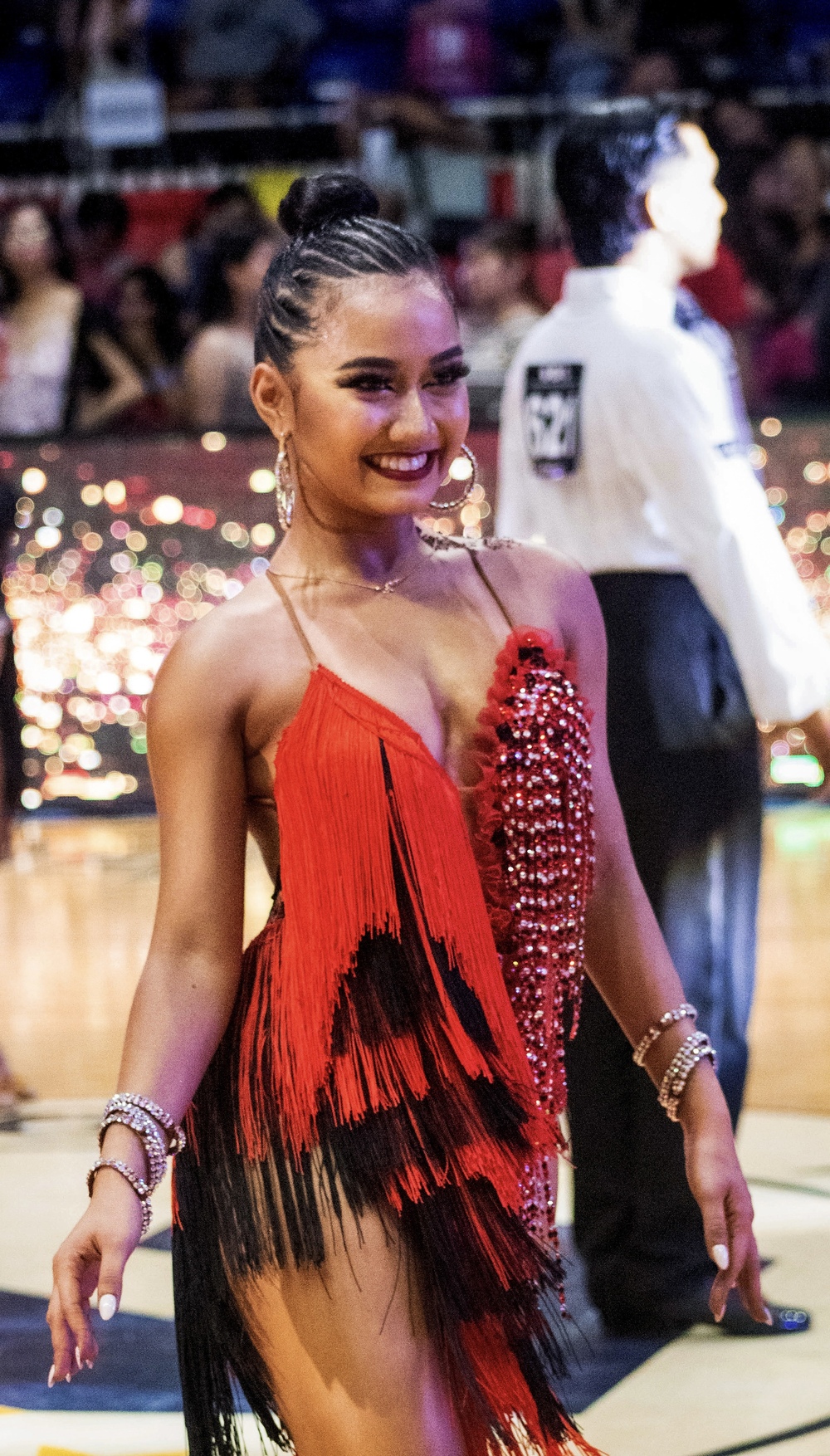
More than a movement, dance is a discipline, a form of self-discovery, and a lifelong commitment to sharing a piece of oneself with others. This is the belief that guides Patricia Angel Ramos, a scholarship recipient under the Cultural Center of the Philippines (CCP) Scholarship Program.
As a CCP scholar, Ramos embraced every opportunity to grow as an artist while helping others find their own place in the arts. From her years at the Philippine High School for the Arts (PHSA) to graduating at the University of the Philippines Diliman and eventually working professionally, her career is rooted in dedication, service, and an unwavering love for her craft, leading her to become a performer, educator, choreographer, program manager, and cultural advocate she is today.
CCP scholar Angel Ramos.
Finding purpose through movement
Her artistic journey began when she entered the PHSA, where she majored in dance under the mentorship of Mr. Victor Emmanuel L. Flor. During her time at the Makiling campus, she was exposed to rigorous artistic training, while being embraced by a nurturing community.
Receiving the CCP scholarship became a turning point in her development as an artist.
“Mayroon agad akong support system. So I trained hard to make use of the opportunity because I didn’t want the scholarship to go to waste,” Ramos recalled.
The support provided by the scholarship allowed her to focus on honing her craft and later on pursuing her studies at UP Diliman, where she graduated magna cum laude with a bachelor’s degree in music, majoring in dance, and received the Gawad Dekano para sa Natatanging Likha for her thesis recital.
Yet despite her achievements, there was a time when Ramos questioned whether pursuing the arts was the practical choice.
“Before college, nahihirapan akong mag-decide kung itutuloy ko ba ang arts. Practically speaking, mahirap siyang tahakin,” she shared
What ultimately convinced her was the realization that dance had become more than a passion.
“Habang tumatagal, mas nakikilala ko ang sarili ko dahil sa pagsasayaw. I felt alive. Mahirap man ang proseso, pero iyon pa rin ang pipiliin ko.”
Sharing culture through teaching and performance
As her career evolved, Ramos discovered that performing alone was not enough. She wanted to create spaces where others could learn, grow, and appreciate arts and culture.
It was then that she co-founded Dance and Drills with her dance partner, Roque Marquez, a platform dedicated to promoting dancesport, the competitive form of ballroom dancing, through programs and workshops for aspiring dancers. Through these initiatives, she shares the knowledge and experience she has gained over the years.
“Aside from ballroom dancing, I also perform folk and contemporary dances, so I can help promote these art forms through performances and shows,” she said.
For Ramos, teaching has become one of the most meaningful ways to promote Filipino culture.
Her commitment to culture and arts education reflects a belief that artistic knowledge should be shared rather than kept within institutions. By bringing workshops directly to communities, she helps make dance more accessible to young Filipinos who may not otherwise have opportunities for formal training.
The discipline behind every performance
Throughout her artistic journey, one lesson has remained constant: discipline.
Ramos believes that dance demands more than talent. It requires consistency, commitment, and the willingness to repeat the same movements countless times in pursuit of improvement.
“Being disciplined is one of the most important things to consider,” she emphasized. “And discipline is not only important in dance. It applies to every aspect of life.”
This mindset has guided her through years of training, performances, competitions, and academic responsibilities. It has also helped her navigate the physical and emotional demands of being an artist.
The same discipline that shaped her as a performer now influences how she mentors others. Whether teaching workshops or leading creative projects, Ramos encourages younger artists to develop habits that will sustain them throughout their careers.
Building the next generation of artists
As a CCP scholar, Ramos believes that one of the program’s greatest strengths is the opportunities it provides for exposure and connection.
“It makes you more exposed to the field,” she explained. “You will learn from other people, from seniors na matagal na sa field. Tapos mas makikilala mo yung sarili mo during the process.”
For her, the scholarship is not only a source of financial support but also a gateway to a larger artistic community. Through interactions with fellow scholars, mentors, and industry professionals, young artists gain valuable perspectives that help shape their growth.
This belief fuels her commitment to mentoring emerging dancers and creating opportunities for others through her workshops and educational initiatives.
Discovering life behind the curtain
While Ramos is widely recognized for her work onstage, she has recently found herself drawn to another side of the arts: production and project management.
Her appointment as project coordinator for the Virgin Labfest XXI Writing Fellowship Program allowed her to explore the work that happens behind the curtain.
“Sanay ako na laging nasa stage,” she said. “Naisip ko rin kung ano kaya ang pakiramdam ng mga taong nasa likod ng produksyon.”
The transition felt natural. As the co-founder and program manager of Dance and Drills, Ramos already manages planning, organization, and communication for various projects. She discovered that she genuinely enjoys these responsibilities and the opportunities they provide to collaborate with different people.
“Every conversation has something in return,” she reflected. “May aral kang makukuha sa bawat tao.”
Working behind the scenes has broadened her understanding of the arts ecosystem and reinforced her appreciation for the many individuals who contribute to making artistic projects possible.
Dancing toward the future
Looking ahead, Ramos hopes to continue balancing her roles as performer, educator, and creative leader. Whether she is teaching a workshop, competing in dancesport events, coordinating programs, or performing onstage, her mission remains the same: to share the transformative power of dance with others.
Her journey demonstrates that artistic success is measured not solely by awards or performances but also by the impact one leaves on a community.
As a CCP scholar, Ramos embodies the values of discipline, service, and lifelong learning. Through every workshop she facilitates and every performance she delivers, she continues to prove that dance is more than movement. It is a way of connecting people, preserving culture, and inspiring future generations of Filipino artists.
For Patricia Angel Ramos, the stage may be where audiences see her shine, but her influence reaches far beyond the spotlight.
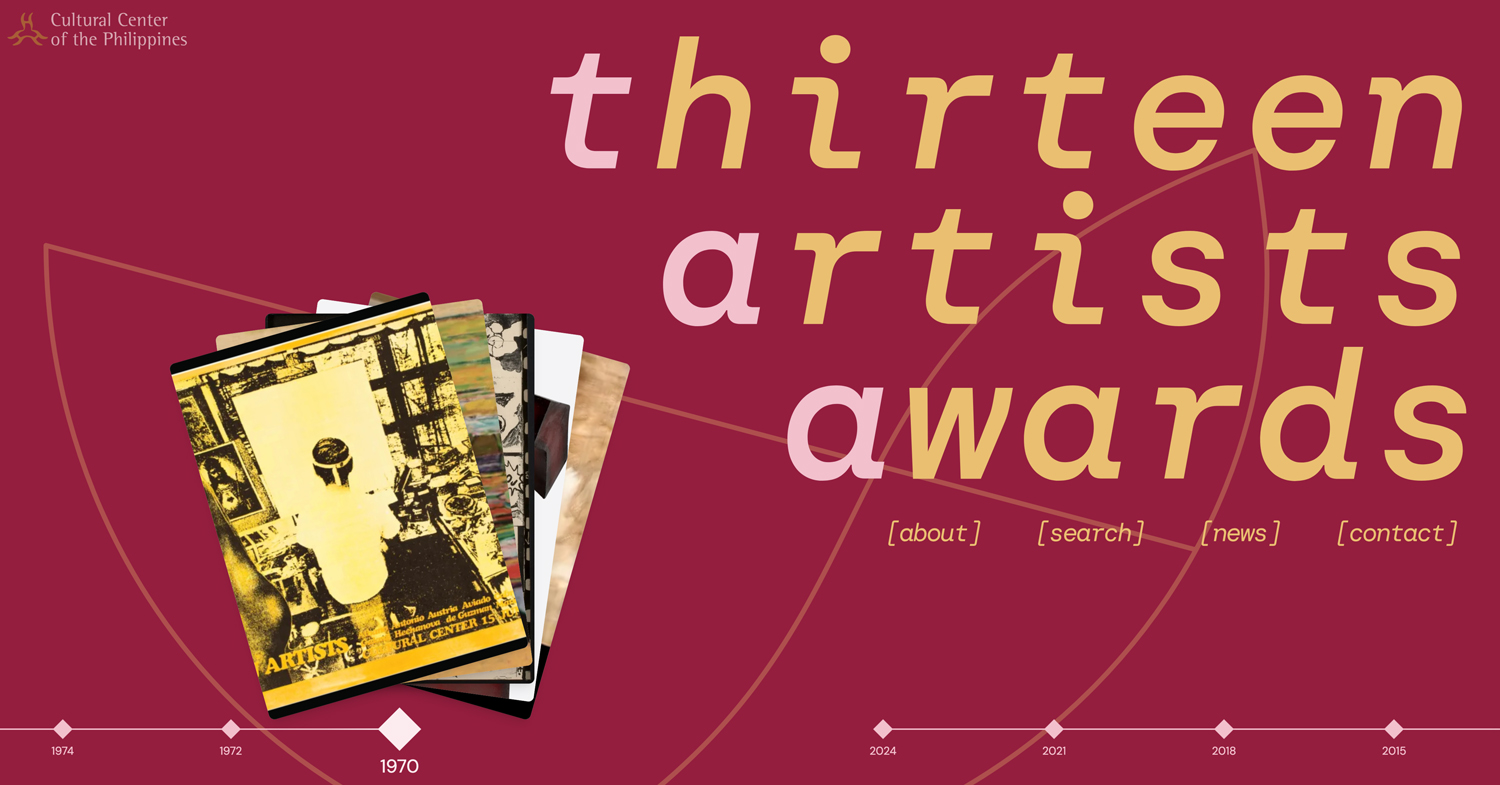
The Cultural Center of the Philippines, through the Visual Arts and Museum Division, relaunches the Thirteen Artists Awards (TAA) website with a new, revamped look and updated content. Check out the new website starting June 13, 2026.
The digital platform, accessible at www.thirteenartists.culturalcenter.gov.ph, has been updated to serve as a comprehensive archive, showcase, and hub for the TAA, one of the most prestigious recognitions in the Philippine art scene. Established in 1970, the CCP Thirteen Artists aims to honor contemporary artists who have made innovative contributions to Philippine art.
The newly relaunched website marks a significant milestone in the program’s history, offering an enhanced user experience and a richer presentation of the awardees through the years.
A digital home for art excellence
The revamped website features an updated interface designed to highlight the works and profiles of awardees from the inception of the program to the present. Visitors can now easily browse through the roster of artists, explore the Thirteen Artists exhibitions, and gain deeper insights into the evolution of modern and contemporary art in the Philippines.
The website is designed to be mobile-responsive and user-friendly, ensuring that art enthusiasts, researchers, students, and collectors from around the world can engage with Philippine art anytime, anywhere.
“This relaunch is more than just an update; it is a commitment to preserving Filipino cultural heritage while embracing the digital age. We want this platform to bridge the gap between established masters and emerging talents, making art more accessible to the public and ensuring that the legacy of the Thirteen Artists Awards continues to inspire future generations,” said CCP president Kaye C. Tinga.
The oldest government award for visual artists
More than 50 years since it was first presented, the CCP Thirteen Artists Award remains a prestigious triennial award to honor young visual artists who demonstrate innovative, forward-thinking practices that redefine Philippine contemporary art.
The TAA started as a curatorial project of the Cultural Center of the Philippines (CCP) Museum under the directorship of its first curator Roberto Chabet. The TAA was created in order to showcase the works of artists who aimed to “restructure, re-strengthen and renew artmaking and art thinking… that lend viability to Philippine art.”
It was Raymundo Albano, the then-director of the CCP Museum and Non-theater Operations, who transformed the 13 Artists into the awards program that it is known today.
The TAA Artists awards and exhibition was mounted every two years from 1970 to 1980, and again in 1988 to 1994. It was revived in 2000 and changed to a triennial format, which it follows until today.
Follow CCP and CCP Visual Arts social media accounts on Facebook and Instagram for more news about visual arts programs and exhibitions.
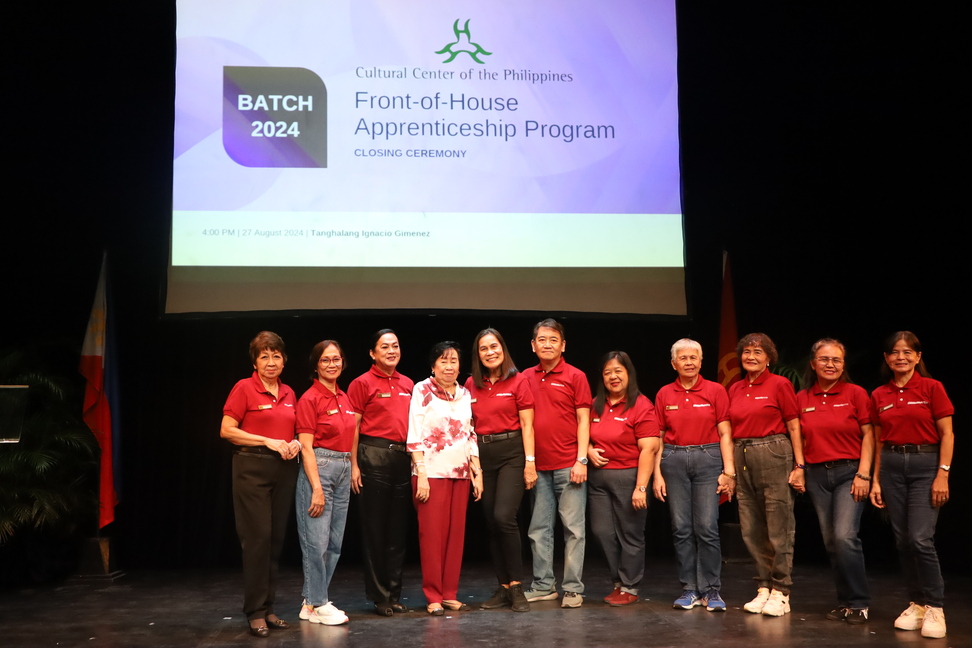
At an age when many people are expected to slow down, three senior citizens from Pasay City find themselves at the heart of the country’s cultural scene, reinvigorating their golden years through the Cultural Center of the Philippines’ special Front-of-House (CCP FOH) Apprenticeship Program, a simple apprenticeship program which becomes the start of a meaningful addition to their lives.
Through a partnership with the city’s Office of Senior Citizens Affairs (OSCA) in 2024, senior ushers Sarah Escosora, Marte Aragon and Bubot Manalang participated in the apprenticeship program which aims to open doors for older Filipinos to be an active member of the arts and culture community.
The ushering apprenticeship lasted for a month and included lectures, fieldwork, venue exposure trips, and first aid training. The seniors were immersed not only in audience management, but also in the values of culture, education, and service.
“Nagbigay-diin sila sa kultura, sining, at edukasyon. Yun ‘yung naging focus ng training namin,” shared 63-year-old Manalang who is a barangay public servant.
The CCP’s Front-of-House Apprenticeship program reflects the Center’s mandate to transform lives through the arts. Aside from senior citizens, the program has also welcomed and trained deaf and hard-of-hearing participants to be at the forefront of cultural work.
“Being a part of the CCP gives me a sense of purpose,” shared 66-year-old Escosora who is the senior president of Barangay 37 and a barangay kagawad. Escosora was among the first batch of senior citizen ushers selected for the pioneering program.
“It gives me a reason to continue learning even though I am already a senior. Na-feel ko na may purpose ako, and I belong in a community,” she shared.
Initially, there were 10 applicants who were accepted. Two eventually had to step back due to health concerns and scheduling conflicts, leaving eight ushers who continued with their apprenticeship journey and eventually became part of the CCP Venue Operations Division’s ushering team.
“So far, ‘yung eightna nagtuloy, buo pa rin after two years. It goes to show that we really enjoy this kasi tuloy-tuloy pa rin kami. Napakarami naming natutunan. Kahit na senior na kami, we still look forward to having new experiences, and meeting new people,” said Aragon, a 66-year-old retired export manager.
For Aragon, the opportunity felt like a homecoming. He once worked at the CCP as a public relations officer in the 1980s. Before working for corporate, he had been involved with the Philippine Educational Theater Association (PETA), where he crossed paths with now-renowned theater figures such as Pen Medina and Joel Lamangan.
What made the apprenticeship experience all the more special was gaining access to performances they otherwise may never have seen.
“Nakakapanood na ako ng shows na hindi ko mapapanood kung hindi ako usher kasi mahal ang tickets,” admitted Escosora. “Double benefits din – nakakapag-serve kami at the same time nakakapag-enjoy at nakakanood ng shows.”
Their assignments range from children’s theater productions to major cultural events. One of the most memorable moments for the group came during the public tribute following the passing of National Artist for Film and Broadcast Nora Aunor.
“Pinag-duty kaming lahat na senior citizen dahil lahat kami kilala si Nora,” Aragon laughed. “Memorable ‘to sa akin kasi lahat ng friends ko na di ko na nakikita, doon ko pa sila nakita.”
For the ushers, however, the experience extends far beyond the grand events or the pay.
“Kahit late na late na ‘yung sweldo, walang nagrereklamo kasi it is not about the pay — it is the experience, the belongingness. Sobrang alaga kami ng management, sobrang welcome kami at pampered,” emphasized Aragon.
Escosora agreed, saying: “Alagang-alaga talaga kami. Pinapaupo kami lagi kapag start na ‘yung show para raw di kami mapagod.”
The work has also given structure and excitement to their daily lives, with many of them stating how their duties provided them something to look forward to again. They hope that the younger generation would also be as eager to experience art outside of their screens.
“They should cherish the opportunity to go to live shows and live performances,” Escosora said. “Cherish our culture. Support the artists and go beyond the digital way.”
Manalang echoed the sentiment, encouraging young Filipinos to remain curious about the arts and the people behind them. “Nakita ko kasi talaga how dedicated the artists are to their craft. They deserve so much appreciation and support,” she said.
Aragon reflected on: “In nature, Filipinos are very creative. Naniniwala ako na lahat ng Pilipino ay magaling sa sining, kaya dapat lang na suportahan at payabungin natin ito.”
In many ways, the senior ushers embody the very mission of the CCP: to make art meaningful and accessible to the public. The stories of the CCP’s senior citizen ushers remind that culture thrives not only through artists and performers, but also through the communities who sustain and protect it.
For over five decades, the CCP has stood as the country’s premier institution for the promotion and preservation of Philippine arts and culture. Beyond staging world-class performances and nurturing artists, the institution has also continued to expand its programs toward inclusivity and community participation. Through initiatives such as the Front-of-House Apprenticeship program for senior citizens, the CCP demonstrates that there will always be a place for every Filipino who wishes to take part in keeping the arts alive.
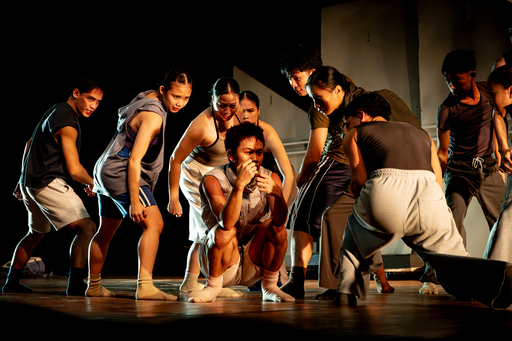
Mari Dance presents the restaging of its acclaimed production a dance in a day in a dance, a full-length contemporary dance production that brings together five choreographies by choreographer JM Cabling, four of which were developed through the Cultural Center of the Philippines’ (CCP) Choreographer’s Series and other dance programs. The production runs from May 16 to 31, 2026 at the Doreen Black Box Theater, Areté.
Structured as a layered narrative on the lives of dancers and choreographers, the piece explores burnout, rejection, creative pressure, intimacy, and survival within the craft. Produced by Mari Dance Company and shaped by musical theater director Mikko Angeles, with Al Garcia reprising his role as the Choreographer, the work unifies five distinct choreographic voices into a single evening that reflects the realities of dance making in the Philippines today.
Four of the two works featured in the production were originally developed through CCP Choreographers Series, underscoring the institution’s continuing role in nurturing contemporary dance practice.
The CCP Choreographers Series aimed to become the prime mover of contemporary dance expressions in Philippine society.
CCP Choreographers Series was composed of three dance projects: (1) WifiBody.ph, a competition for emerging choreographers; (2) Koryolab, a laboratory and showcase of experimental dance pieces by mid-career choreographers; and (3) NeoFilipino, a venue for established choreographers to create and stage major works in collaboration with artists.
Conceptualized by founders Denisa Reyes and Myra Beltran, the CCP Choreographers’ Series has been a prime mover of contemporary dance expressions in the Philippines. Launched in 2015, in consultation with former CCP President Nestor Jardin, the series continued the legacy of NeoFilipino’s boundary-breaking contemporary work since 1987 and the independent dance initiatives of the Wifi Body Festival since 2006.
Bent, which was Cabling’s earliest piece in the program, premiered at the 2014 Wifi Body Festival’s New Choreographers’ Competition, directed by Myra Beltran and supported by the CCP; Nothing Special and Lihim ni Lea were developed and premiered under the CCP Choreographers’ Series (2017 and 2019), led by Denisa Reyes and Beltran; and I Wanna Say Something was first presented in 2021 under the CCP Professional Dance Support Program during the pandemic.
a dance in a day in a dance becomes a living archive where dance works developed through different CCP platforms are recontextualized into a single performance, revealing how CCP institutional programs have shaped the evolution of Filipino contemporary choreography. Artists outside traditional company structures were given mentorship, support, and opportunities necessary for their sustained growth, flourishing under a system that supports choreography from its earliest experimental stages to full-length theatrical performances. With this, contemporary Filipino choreography emerges not as a collection of isolated works, but as an evolving lineage of practice.
The production also features alternating performances by former Ballet Philippines dancer Georgette Sanchez-Vargas and former Ballet Philippines dancer and Daloy Dance Company’s Artistic Director and Founder Ea Torrado as the mother; and former Ballet Philippines and Alice Reyes Dance Philippines dancer Janine Arisola-Cabrera in the lead role of Lea. Returning cast members Michael Que and Sarah Samaniego join a broader ensemble composed of Mari Dance scholarship students from Butuan, Iriga, Sagay, Sorsogon, and Surigao, reflecting the company’s commitment to regional inclusion and dance education.
Beyond performance, the production also highlights Mari Dance’s education-driven mission, with many of its dancers coming from scholarship programs under Guang Ming College and company training initiatives. This model integrates creation, pedagogy, and community-building, expanding access to professional dance training across the Philippines.
As Mari Dance mounts its first major multi-weekend run, a dance in a day in a dance stands as both a performance and a testament to how the right platforms transform the lifespan of choreography, allowing them to evolve.
The show runs from May 16 to 31, 2026 at the Doreen Black Box Theater, Areté, co-presented by Areté. Tickets are available via: maridance.com.
What is the most essential building block for the future of the Cultural Center of the Philippines in the visual arts?
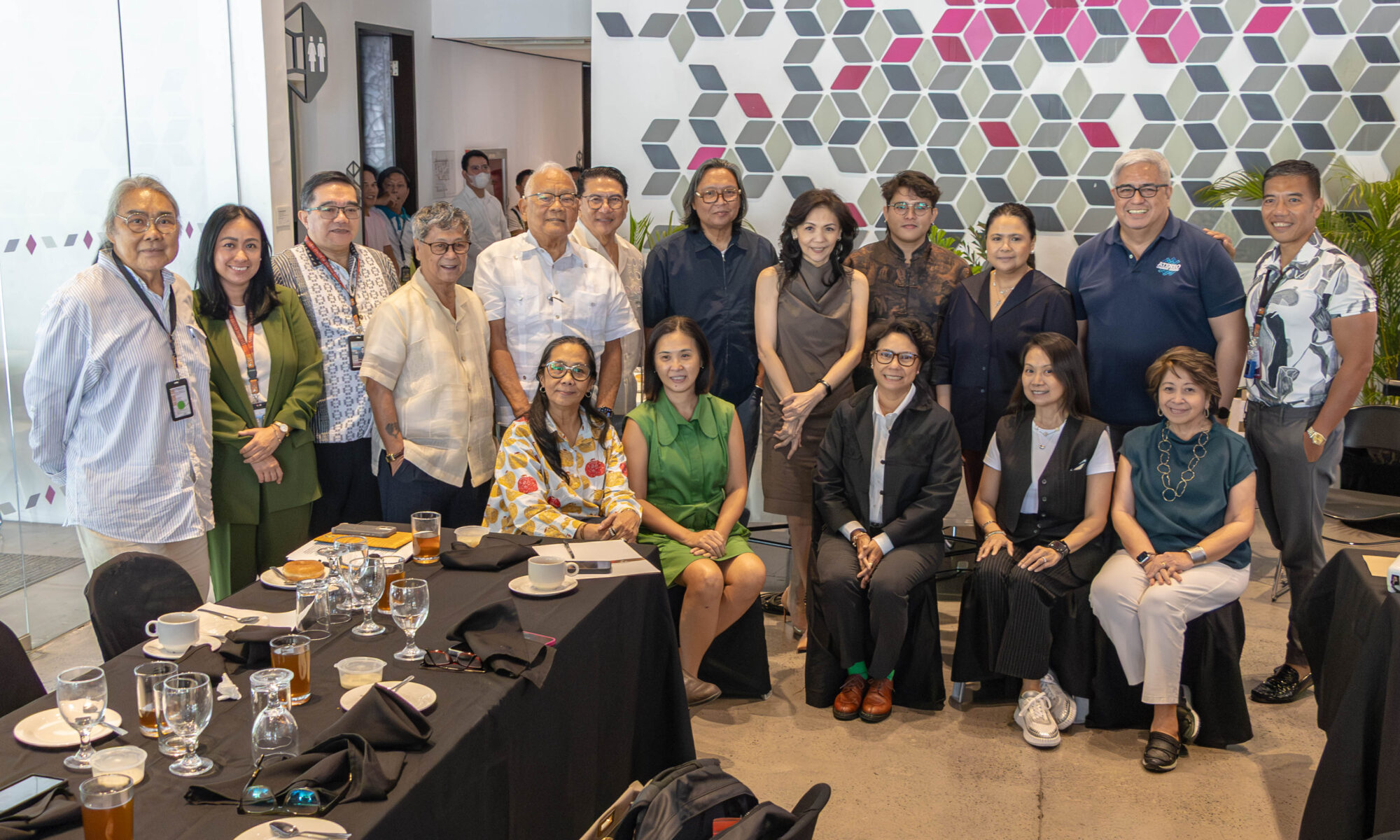
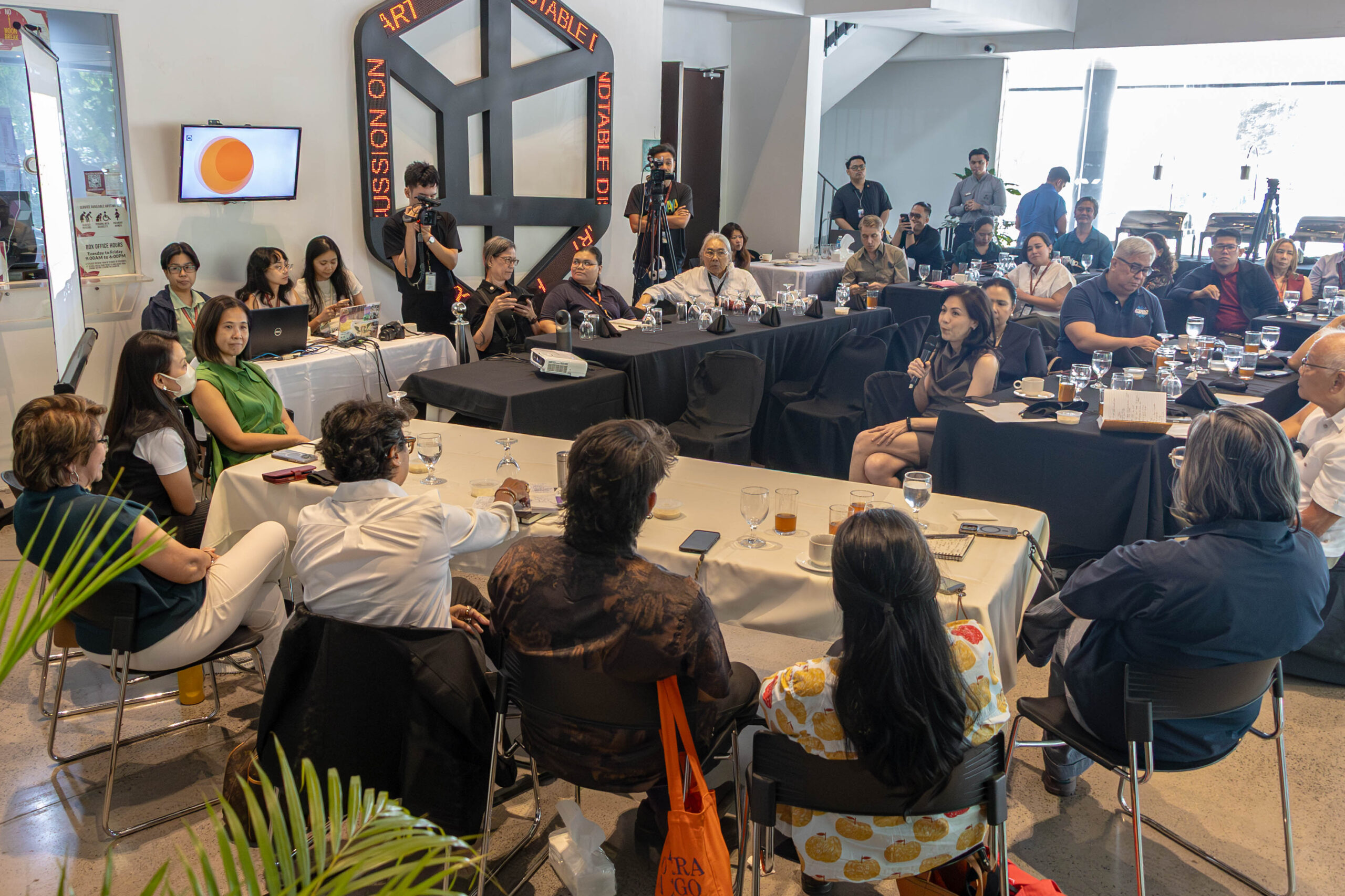
This question set the tone for the recent Philippine Arts Roundtable organized by the country’s premier cultural institution, bringing together a diverse group of experts to examine the current landscape and explore the future directions of Philippine contemporary art.
The recent roundtable discussion brought together Alfredo and Isabel Aquilizan, contemporary visual artists and cultural practitioners; Isa Lorenzo, founder and co-director of Silverlens Galleries; Carlos Quijon Jr., art historian, critic, and curator currently serving as the C-MAP Fellow for Southeast and East Asia at the Museum of Modern Art in New York; Clarissa Chikiamco, curator at National Gallery Singapore and a PhD candidate at King’s College London; Dindin Araneta, co-founder of Art Fair Philippines and Director of the Benilde Center for Campus Exhibitions (CCE) at De La Salle–College of Saint Benilde; Tina Colayco, President of the Metropolitan Museum of Manila; Sheila Ramos, business executive and art collector; and Ana Maria Ortega, business executive and arts management educator.
Together, they unpacked pressing questions and concerns on institutional support, artistic practice, and cultural direction, offering critical insights that point to emerging possibilities for the CCP’s role in shaping the visual arts ecosystem in the years ahead.
Arts education as a foundation for the future
For the Aquilizans, education is an essential foundation for the future of Philippine visual arts. They emphasized the need for government institutions to maximize their capacity to develop and expand arts curricula, particularly at the high school level.
“We have the Philippine High School for the Arts as the educational arm of the CCP, and I believe this model should be replicated across the country, perhaps through the development of accessible educational modules and similar programs,” said Alfredo Aquilizan.
They also highlighted their experience in Australia, where they conduct art workshops in remote communities, an approach they believe could be effectively adapted in the Philippines to expand access to arts education.
“We conduct workshops in remote communities, which play an important role in expanding access to knowledge, and it raises the question of how the CCP can further extend its reach and share its resources more effectively with underserved communities,” noted Alfredo.
The Aquilizans also pointed out the importance of sustainable support systems for artists, including government-funded travel grants and mentorship programs.
Preservation and accessibility as pillars of the future
Chikiamco emphasized that CCP initiatives play a vital role in supporting the visual arts ecosystem in the Philippines. Programs such as the Thirteen Artists Award recognize and nurture emerging artistic practices, while the 21AM serves as an important venue for exhibiting and preserving the CCP’s visual arts collection.
At the same time, she underscored the importance of accessibility and conservation in the arts. She cited the works of Roberto Chabet as an example, that these should be made more accessible through institutions, like the CCP, for the public to engage with.
“I think sometimes that this legacy is in danger of being lost because this history is not really visible. I’m aware of it, and many curators who have conducted research have seen the archives of those early exhibitions at the CCP. But it can be difficult to access,” said Chikiamco, who also suggested the need for CCP to actively acquire and safeguard significant art collections.
“It is very important for CCP, and I guess Philippine institutions in general, to collect contemporary arts. A lot of this is in danger of disappearing if it’s not collected, because you need to work with the artist in developing guidelines, like what is essential to the work, for its display,” enthused Chikiamco.
Strategic promotion elevates Philippine visual arts
For Lorenzo, CCP, being a national institution with many existing assets, must position itself as the gold standard for exhibition-making, not only in the Philippines, but across the region.
“Your collection is amazing. But how do you get people to see it? And how do you broadcast this information to the world? The CCP cannot afford to remain insular. It needs to be more outward-looking,” emphasized Lorenzo.
This outward approach should include a stronger presence on social media and the cultivation of diverse voices that can engage multiple generations. “Whether it’s through TikTok, Instagram, or other platforms, there should be a significant investment in communicating who the CCP is, what it does, and what it holds. The only way to build an audience is to bring people in,” added Lorenzo.
They also highlighted the importance of expanding the reach of CCP’s collections through nationwide exhibitions, increased publications, and visibility in international events as key strategies for advancing Philippine visual arts.
“Another priority is the CCP collection itself. Lean into your existing assets. Consider touring exhibitions across the Philippines. Another is publications. There are already publications, but perhaps there could be more. Set a goal, maybe three to five publications a year, or at least one annually, and be present in international art events. Support regional artists in global exhibitions, and build on efforts that already exist.”
Institutional support for curators advances Philippine visual arts
As a Filipino curator working with international artists and large-scale exhibitions, Quijon Jr. noted that while many curators already operate on a global level, most begin their careers in the Philippines but eventually move abroad due to limited local opportunities. For him, this underscores a key concern: the need to strengthen institutional support not only for artists, but also for curators within the Philippine visual arts sector.
“That is what is at stake for me in this conversation. We have the talent, but how do we support that talent so they can stay here? So that we are the ones who “makikinabang” from the efforts of these curators, myself included. One of the first things I thought of is ensuring that the local ecology is in place, that it works. It means local institutions function well and support one another. If that happens, we can begin to address these anxieties about participating in international and global conversations,” said Quijon Jr.
He also clarified the roles of the curator. “I’m not an artist, and I’m not a gallerist. But we, as curators, position artists for galleries. I position artists for art historians, so that we can be part of regional and international conversations around art.”
Furthering the discussion
In the latter part of the discussion, discussants Dindin Araneta, Tina Colayco, Sheila Ramos, and Ana Maria Ortega provided further insights, responding to and building upon the perspectives shared by the first set of speakers.
Present during the roundtable discussion were the CCP Board of Trustees, led by Chairman Jaime C. Laya, co-chairs Ma. Carissa O. Coscolluela and Maria Margarita Moran-Floirendo, with Trustees Junie S. Del Mundo, Felix Monino S. Duque, Atty. Gizela Gonzalez, and Jonathan M. Velasco
CCP President Kaye C. Tinga; Vice President for Administration and Finance Jose Victor M. Gaite and Vice President and Artistic Director Dennis Marasigan, who served as moderator, also attended the event.
For details on CCP programs and events, follow the CCP on Facebook, Instagram, and TikTok. To learn more about the Cultural Center of the Philippines and its programs, visit www.culturalcenter.gov.ph.
Globe Telecom joined the celebration of Art in the Park’s 20th anniversary, reinforcing its commitment to nation‑building through its continued support of Filipino creativity and culture. The country’s most accessible art fair, held at Jaime Velasquez Park in Salcedo Village, continues to democratize art appreciation and collecting, bringing together galleries, artists, and creative communities in a relaxed outdoor setting.
This year’s edition featured 55 exhibitors, including galleries, art collectives, independent art spaces, and student groups, with all artworks priced reasonably to keep collecting approachable for young and first‑time art enthusiasts. By supportingArt in the Park, Globe is creating opportunities for customers to experience local art contributing to the growth of Filipino artists and the creative community.
At the Globe Experience Booth, powered by Globe AT HOME, visitors stepped into a vibrant fusion of art and technology. In collaboration with Scarletbox and through the Artivive app, limited edition Globe AT HOME 5G WiFi router skins, featuring artworks of Philippine National Artists, burst into life via augmented reality, transforming static designs into dynamic, interactive masterpieces. This cutting‑edge showcase seamlessly blended creativity, connectivity, and innovation, redefining how audiences experience and engage with art
Globe subscribers enjoyed exclusive perks, from treats by partner merchants to the chance to showcase their creativity by customizing Globe merchandise, turning the experience into something more personal, memorable, and inspiring.
“Art in the Park has always been about building a space where Filipino artists and audiences can come together and celebrate creativity and community. Long-time partners like Globe help make that possible. Their support not only sustains the fair but also strengthens the broader creative industry by empowering young storytellers and giving them opportunities to engage with the art scene,” said Trickie Lopa and Lisa Periquet, Co‑Founders of Art in the Park.
Building on its student programs, Globe welcomed 60 Student Media Ambassadors from universities across Metro Manila to serve as storytellers for the fair. These aspiring creators captured and shared their perspectives through social content, connected with artists and creative communities, and enjoyed exclusive perks like Globe merch and Rewards points. To prepare them for the role, Globe hosted a Social Media 101 masterclass ahead of the event, equipping students with practical skills and creative insights from Globe Marketing Experts and Social Media Ambassadors.
“Globe’s support for Art in the Park reflects our strong belief that creativity is a powerful force which enables progress. This is why we continue to champion platforms that highlight Filipino creativity, while giving our customers meaningful experiences that celebrate culture and technology. At the same time, we are empowering our next generation of storytellers through our student programs, empowering young creators with the skills, experiences, and opportunities they need to thrive in the digital and creative space,” said Roche Vandenberghe, Chief Marketing Officer at Globe.
By proudly supporting the celebration of two decades of Art in the Park, Globe reinforces its broader mission to make art more accessible while empowering creative communities. By helping Filipinos discover their passions, unlock opportunities, and share their talents, Globe is driving a more vibrant, inclusive, and progressive Philippines, where creativity and connectivity come together to inspire the youth and the nation. Through initiatives like this, Globe brings experiences closer to its customers, making them more personal, meaningful, and truly just for you.